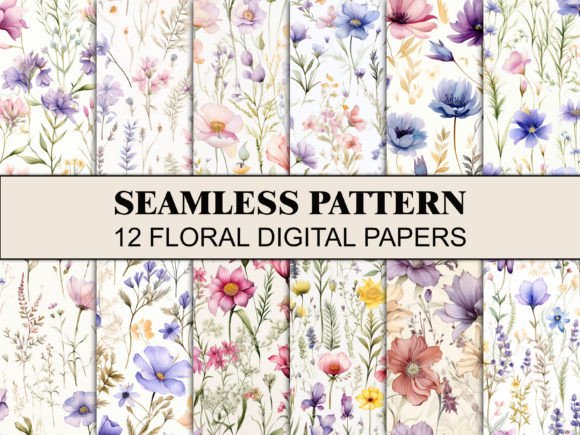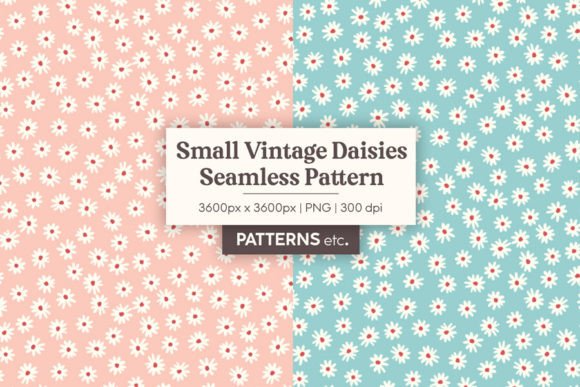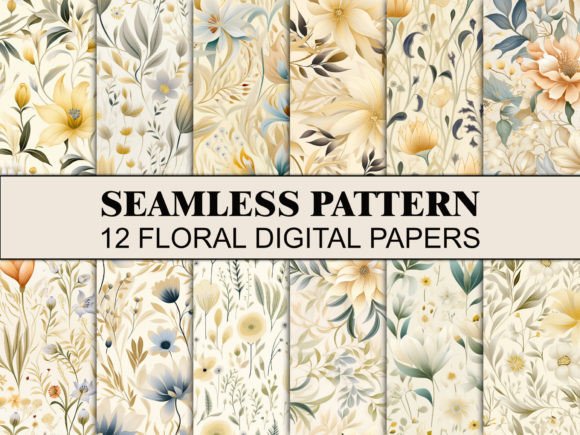
The Timeless Appeal of Watercolor Peony Pattern
In the vast landscape of digital design resources, few motifs have captured the imagination of creators as consistently as the Watercolor Peony Pattern. Known for their lush, layered petals and soft, flowing edges, peonies represent a unique blend of elegance and natural beauty. When translated into a seamless pattern format using watercolor techniques, they offer a versatile asset that bridges the gap between traditional artistry and modern digital production. This guide explores what makes this specific design element so valuable, how it functions across various industries, and why it remains a staple for professionals and hobbyists alike.
Understanding the Artistic Essence
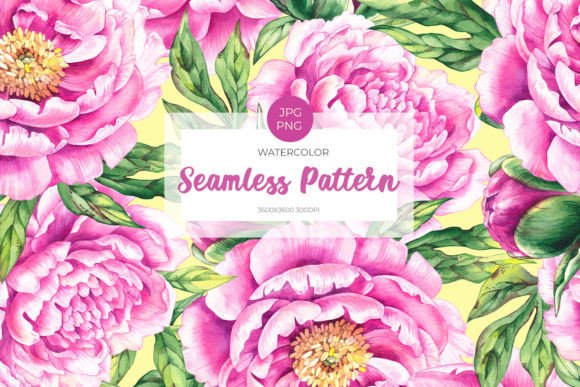
A Watercolor Peony Pattern is more than just a repeating image; it is a carefully curated collection of artistic elements designed to flow seamlessly without visible breaks or jarring transitions. The watercolor medium brings a distinct character to the design, characterized by soft gradients, bleeding colors, and organic imperfections that mimic real paint on paper. Unlike vector graphics, which can sometimes feel rigid or overly polished, watercolor patterns retain a sense of hand-crafted authenticity.
The peony itself holds significant cultural weight, often symbolizing prosperity, romance, and honor. By incorporating these flowers into a seamless loop, designers can infuse products with a sense of warmth and sophistication. The pattern typically features clusters of blooms in varying stages of openness, surrounded by delicate foliage, all arranged to ensure that when tiled, the eye cannot detect where one instance ends and the next begins.
Key Characteristics of High-Quality Patterns
When evaluating a collection of Watercolor Peony Pattern assets, several technical and aesthetic factors determine their utility:
- Seamlessness: The most critical feature is the ability to tile infinitely. A high-quality pattern will align perfectly on all four sides, allowing for large-scale applications like wallpaper or fabric without repeating artifacts.
- Resolution: Professional-grade patterns are rendered at high resolutions, typically 3600x3600 pixels. This ensures that when printed on large formats, such as gift wrapping or clothing, the image remains crisp and free from pixelation.
- Color Palette: Authentic watercolor designs often utilize soft pastels, deep crimsons, or muted earth tones that capture the natural variation found in real peonies.
- Layering: The depth created by overlapping petals and leaves adds dimensionality, making the pattern feel alive rather than flat.
Practical Applications Across Industries
The versatility of the Watercolor Peony Pattern lies in its ability to adapt to a wide array of mediums. Whether you are a business owner looking to brand your packaging or a crafter creating holiday gifts, this pattern offers a solution that elevates the visual appeal of almost any project.
Packaging and Retail Design
In the retail sector, first impressions matter immensely. Packaging serves as a silent salesperson, communicating quality and style before a customer even opens the box. A Watercolor Peony Pattern is particularly effective for luxury goods, cosmetics, jewelry, and confectionery. The soft, organic nature of the design suggests care and attention to detail, enhancing the perceived value of the product inside. Because the patterns are available in high-resolution JPEG formats (3600x3600 pixels), they print beautifully on large rolls of paper, ensuring that the floral motif wraps around boxes and bags with perfect continuity.
Fashion and Textile Printing
Fabric textiles rely heavily on repeatable patterns that look good from every angle. The Watercolor Peony Pattern is ideal for fashion design, from summer dresses to elegant evening gowns. The transparency provided in PNG versions (also 3600x3600 pixels) allows designers to overlay the floral design onto different colored fabrics digitally before sending them to print. This flexibility means that a single pattern collection can generate multiple variations of a garment line simply by changing the background color or mixing different floral densities.
Digital Scrapbooking and Stationery
For the creative community, digital scrapbooking has become a popular way to preserve memories. These patterns serve as excellent backgrounds for photo layouts, adding a touch of whimsy without overpowering the central images. Similarly, in the realm of stationery, the pattern finds a home on invitation cards, notebooks, and letterheads. The delicate aesthetic pairs well with serif fonts for formal events like weddings, while also working surprisingly well with modern sans-serif typefaces for casual invitations.
Holiday Gifts and Seasonal Decor
Seasonal marketing often requires a shift in tone, but the timeless nature of the peony makes it suitable for year-round use. During spring, the bloom represents renewal. In autumn, deeper reds and oranges within the pattern can evoke warmth. For holiday gifts, the pattern can be applied to wrapping paper, tags, and ribbons. The seamless nature ensures that even small gift boxes look professionally finished, eliminating the need for complex cutting and taping.
Evaluating Suitability for Your Project
While the Watercolor Peony Pattern is highly adaptable, not every application requires the same level of complexity. Understanding the strengths and limitations of the asset is crucial for achieving the best results.
Strengths: The primary advantage is the ease of integration. With both transparent PNG and solid background JPEG options included in the package, users can choose the workflow that suits their software. The high resolution supports both web display and large-format printing. Furthermore, the organic style avoids the sterility of geometric patterns, making it approachable for general consumers.
Considerations: One limitation to keep in mind is file size. High-resolution images (3600x3600 pixels) can be heavy. When using these patterns for web design, it is essential to optimize the files to ensure fast loading times without sacrificing too much visual quality. Additionally, because watercolor textures contain subtle variations, color consistency can vary depending on the printer used. It is always advisable to run a test print before committing to a full production run.
Technical Expectations: Users should expect a collection that includes multiple variations. A robust package might offer different colorways, such as blush pinks, deep magentas, or monochromatic greys. The inclusion of both seamless patterns and individual flower elements provides maximum flexibility. You can create a dense, all-over print or use the individual flowers as accents on a solid background.
Maximizing Value Through Creativity
To truly leverage the potential of a Watercolor Peony Pattern, consider combining it with other design elements. Mixing the floral motif with gold foil textures, typography, or geometric shapes can create a modern, eclectic look that stands out in a crowded market. For businesses, this pattern can be used consistently across all touchpoints—from social media graphics to physical storefronts—creating a cohesive brand identity.
For individual creators, the pattern offers endless possibilities for DIY projects. Imagine transforming a plain notebook cover into a personalized gift using the pattern, or designing a custom set of matching invitations for a wedding. The transparency of the PNG files allows for easy layering in graphic design software, enabling users to adjust opacity, blend modes, and positioning to suit their specific vision.
Conclusion
The Watercolor Peony Pattern represents a perfect intersection of artistic expression and practical utility. Its ability to adapt to packaging, clothing, digital media, and stationery makes it an invaluable resource for anyone involved in design or creative production. With high-resolution files in both JPEG and PNG formats, the collection provides the necessary tools to bring these beautiful designs to life in any medium. Whether you are launching a new product line or personalizing a special occasion, this pattern offers a reliable foundation for creating something truly memorable.
By understanding the characteristics of the design and applying it thoughtfully, creators can produce work that feels both professional and deeply human. The enduring popularity of the peony in art history speaks to its universal appeal, and in the digital age, the Watercolor Peony Pattern continues to inspire innovation and creativity across the globe.